


Teknozip – A daring hardware enthusiast has defied conventional design principles to create an astonishingly small ESP32 development board, dubbed the F32. This fingernail-sized marvel, designed to plug directly into a USB-C connector, pushes the boundaries of miniaturisation while seemingly ignoring established engineering guidelines.
The project, spearheaded by the user Pegor on the ESP32 subreddit, utilises incredibly small 01005 components. These minuscule parts demand exceptional precision, requiring specialised tools such as fine-tipped soldering irons, high-magnification jeweller’s loupes, or digital microscopes for successful assembly.
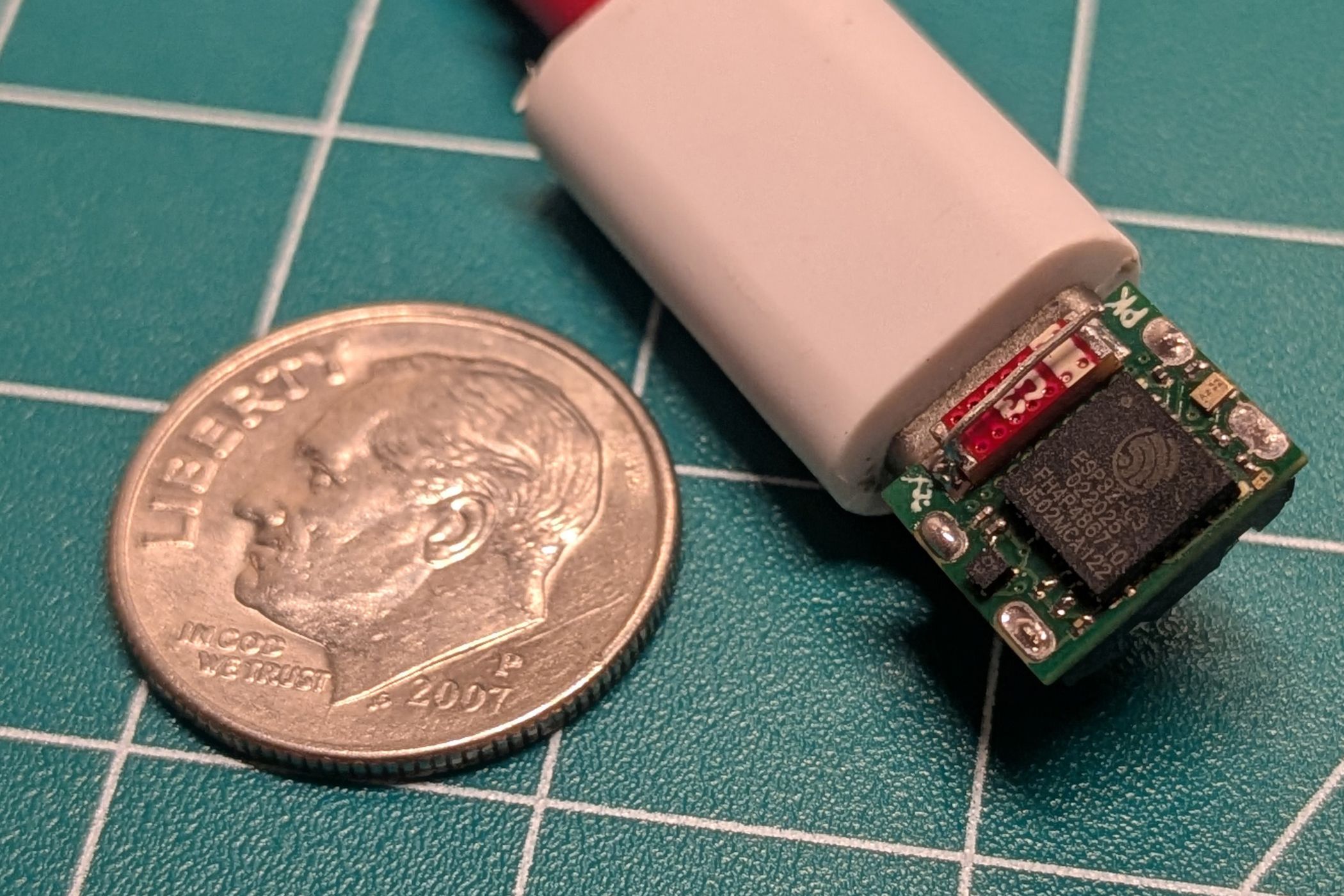
Despite the challenges, Pegor meticulously soldered the components, bringing the F32 to life. Once assembled, the board successfully established a connection via an access point, enabling control of onboard elements like an LED and the Wi-Fi module through a web application. While the practical applications of such a tiny board might be niche, its existence demonstrates remarkable ingenuity.
Also Read
The open-source design, including the bill of materials, detailed instructions, and source code, is available on the F32 GitHub page, inviting adventurous makers to attempt their own builds. However, potential builders should heed Pegor’s warning: the F32 intentionally disregards numerous standard design guidelines, potentially leading to complications.
As Pegor explains, the design omits crucial components such as proper decoupling capacitors, an antenna matching circuit, and USB termination resistors. While the board functions, it remains intentionally bare, highlighting the project’s experimental nature.
Despite the inherent challenges and potential frustrations, successfully building and operating the F32 would undoubtedly represent a significant achievement for any electronics enthusiast, testing the limits of their skills and patience.